
Introduction
Oxford United's recent form has sparked discussions among fans and analysts alike. While the U's have shown glimpses of potential, their current position in League One necessitates a closer examination of tactical elements that could be refined to maximize their performance as the season progresses.
Current Tactical Setup
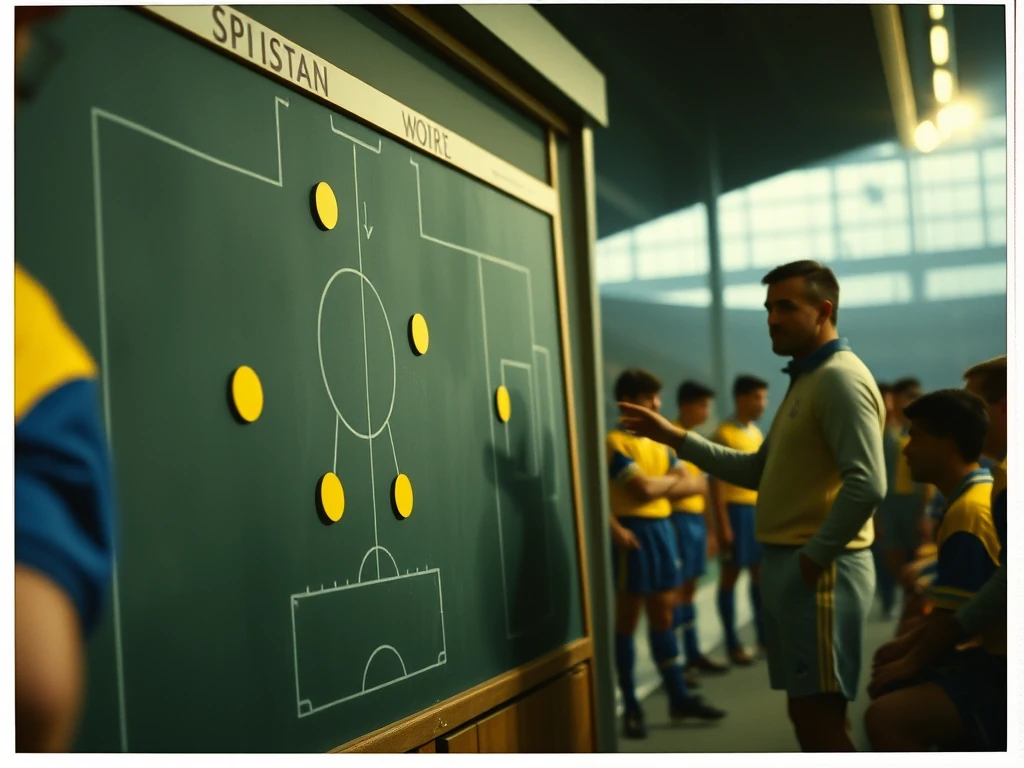
Liam Manning’s preferred 4-2-3-1 formation has provided a solid base, allowing the team to maintain possession and transition effectively. However, the reliance on wing play has often left the central areas underutilized, limiting the attacking threat against well-organized defenses. This has been evident in matches where the U's struggled to break down opponents, often resorting to long-range efforts rather than cohesive team play in the final third.
Strengths: 1. Midfield Stability: The duo of C. Brown and J. Gorrin has displayed commendable work rate, providing a shield for the backline while facilitating ball distribution. 2. Defensive Solidity: The back four, led by M. Helik, has shown resilience, minimizing goals conceded through solid positioning and effective communication.
Areas for Improvement: 1. Creativity in the Final Third: The attacking midfielders, while industrious, have occasionally lacked the cutting edge needed to unlock defenses. 2. Wide Play Dependence: Over-reliance on wing play can become predictable, allowing defenses to set up accordingly.
Suggested Tactical Tweaks
To enhance Oxford United's effectiveness, several tactical adjustments could be implemented:
1. Incorporate a Two-Strike Partnership
Switching to a 4-4-2 formation or a variation with two forwards could provide more options in attack. Pairing a physical striker with a pacey forward may create more dynamic movement, stretching defenses and allowing midfielders to exploit the resulting spaces. This adjustment could engage the likes of M. Harris more effectively, as he thrives on quick transitions.
2. Encourage Central Overlapping Runs
Encouraging full-backs like R. Williams to make overlapping runs from deep can draw defenders wide, opening up central areas for attacking midfielders. This could be complemented by instructing the wingers to cut inside more often, allowing for angled shots or through balls into the box. This style of play could maximize the creative potential of players like C. Browne and A. Sykes, who are adept at finding pockets of space.
3. Use Set Pieces More Effectively
Oxford United has shown promise in set-piece scenarios; however, they could benefit from a more structured approach. Implementing varied routines that use both direct and indirect methods can keep opposing defenses guessing, allowing key aerial threats like M. Helik to capitalize on goal-scoring opportunities.
4. Defensive Midfielder's Role Expansion
Empowering J. Gorrin to push forward more often could add numbers in attack. By allowing him to join the attack when the team is in possession, it provides an additional passing option and can disrupt the opponent's midfield structure, creating overloads.
Conclusion
While Oxford United's current tactical framework has its merits, fine-tuning certain aspects could lead to improved results as the season unfolds. By adopting a more adaptable approach that prioritizes central creativity, offensive partnerships, and set-piece exploitation, the U's can enhance their competitive edge in League One. Fans will be eager to see if Manning takes these suggestions on board, as the team looks to climb the table and push for promotion.