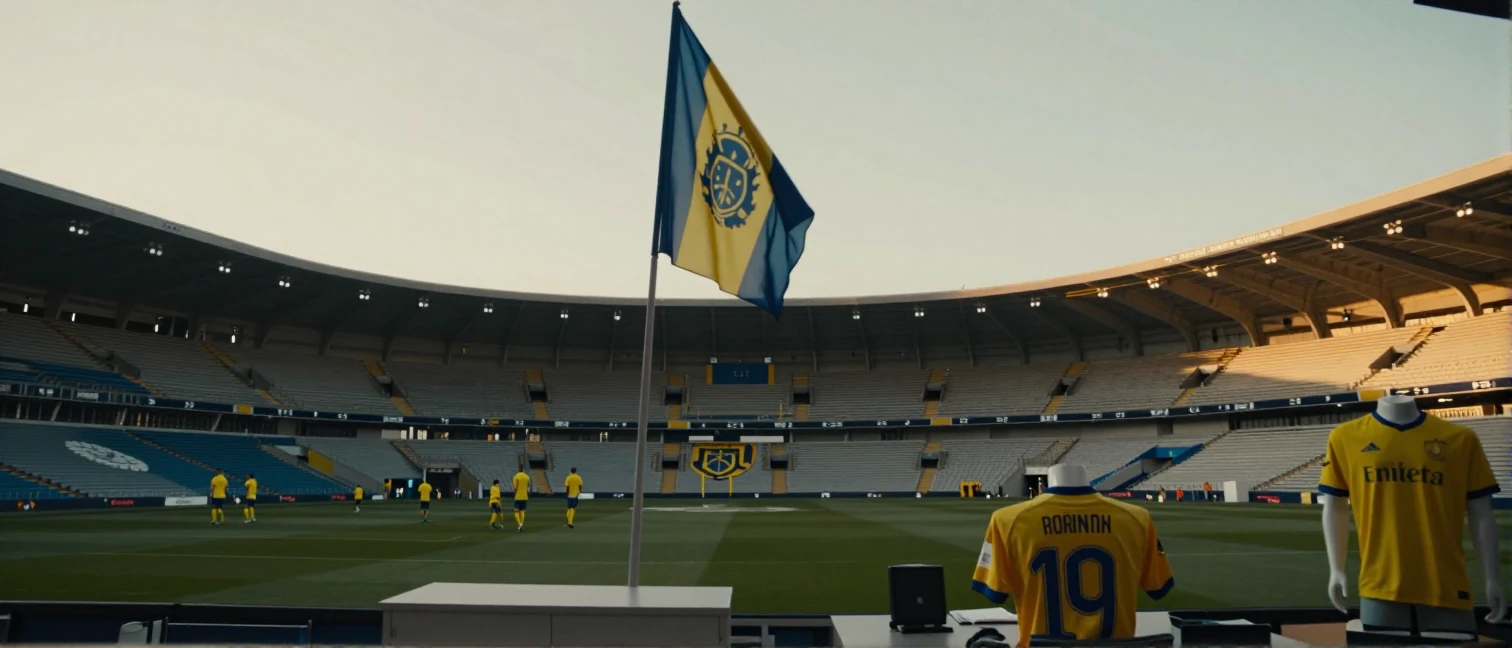
Oxford United has won a crucial legal battle, with a High Court judge refusing permission for a full judicial review of its new 16,000‑seat stadium at The Triangle, Kidlington. Finance specialist Kieran Maguire praised the decision, saying the club’s planning case was solid and the opposition’s arguments unsustainable.
What triggered the legal clash?
The stadium proposal, approved by Cherwell District Council, sparked protests from the Friends of Stratfield Brake (FOSB). Their claim centered on alleged damage to nearby woodland, wildlife disruption, and traffic congestion on match days. FOSB sought a judicial review, arguing the council’s decision broke planning law. However, the judge dismissed the request, noting the woodland concerns were “unsustainable” and the traffic data offered no basis for a full hearing.
How does the finance expert view the situation?
On the Price of Football podcast, Kieran Maguire, a University of Liverpool lecturer, explained why the outcome matters for the club’s finances. He recalled similar resistance faced by Brighton & Hove Albion and highlighted that stadium projects can generate match‑day jobs and boost local economies. “The group trying to halt the stadium has its judicial review rejected, which clears the path for the club to move forward,” Maguire said.
Why is the stadium important for Oxford United now?
Oxford United currently sit 22nd in the Championship with 47 points after 46 games, recent form LWLLW. A modern ground could improve revenue streams, attract higher‑paying sponsors, and give fans a better match‑day experience. The club’s CEO Tim Williams has stressed that the new venue will also address long‑standing infrastructure issues at the Kassam Stadium, potentially lifting the team out of the relegation zone.
What are the next steps for the opposition?
FOSB announced it will pursue an oral permission hearing, hoping a barrister can persuade the court to allow a full review. The group remains focused on protecting the local environment and preventing what they see as increased traffic and light pollution. Yet, with the judge’s refusal, the club’s legal team feels confident the case will be dismissed.
What does this mean for Oxford United’s future?
The stadium plan’s survival removes a major uncertainty from the club’s strategic roadmap. With the next fixture against Aldershot Town away on 21 July 2026, the team can concentrate on improving its on‑field performance. The club hopes the new ground will eventually help close the 48‑point gap to leaders Coventry and turn the current goal deficit of -14 into a positive tally.
The legal win also sends a signal to other clubs considering stadium upgrades: robust planning applications backed by solid traffic and environmental assessments can withstand community challenges. For Oxford United, the focus now shifts to construction timelines, financing the £100 million project, and delivering a venue that benefits both fans and the Kidlington area.